Engineering and spectacle
Look beyond the arena floor to the entrances, circulation routes and tiered seating that organized tens of thousands of spectators.
The ancient centre is more than a list of ruins. Follow the political, religious and everyday spaces that made Rome powerful.
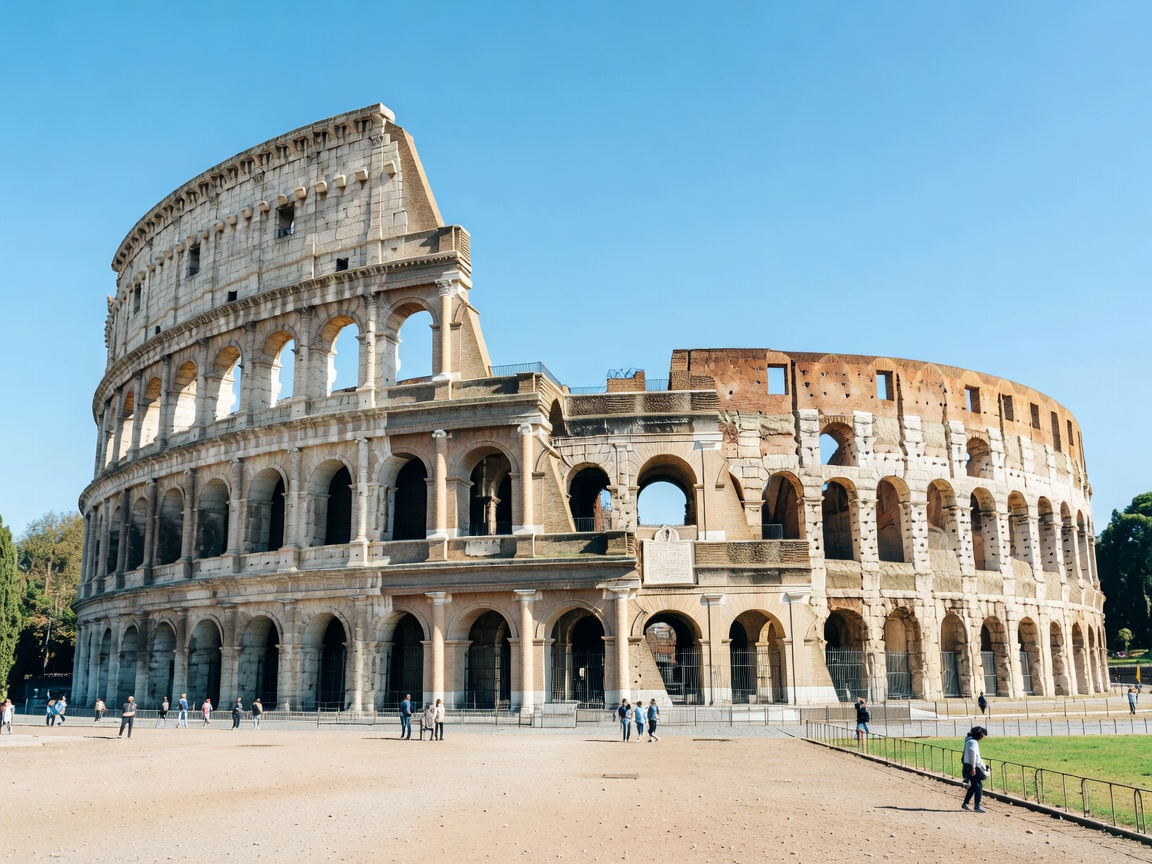
Begin with the Colosseum, continue through the Roman Forum and finish on Palatine Hill. Seen together, these sites reveal how spectacle, government and myth occupied one landscape.
Wear shoes with grip, carry water and allow at least three hours for the connected archaeological area.
Plan the practical detailsMove west to east, from the public heart of the Republic to the imperial monuments that reshaped the valley.
Look beyond the arena floor to the entrances, circulation routes and tiered seating that organized tens of thousands of spectators.
Pause at the arch and notice how later rulers borrowed earlier sculpture to connect themselves with Rome's victorious past.
Follow the Via Sacra past temples, basilicas and meeting places. The Forum was a working political district, not a single building.
Climb for views over the Forum and Circus Maximus, then imagine the contrast between elite villas above and crowded streets below.
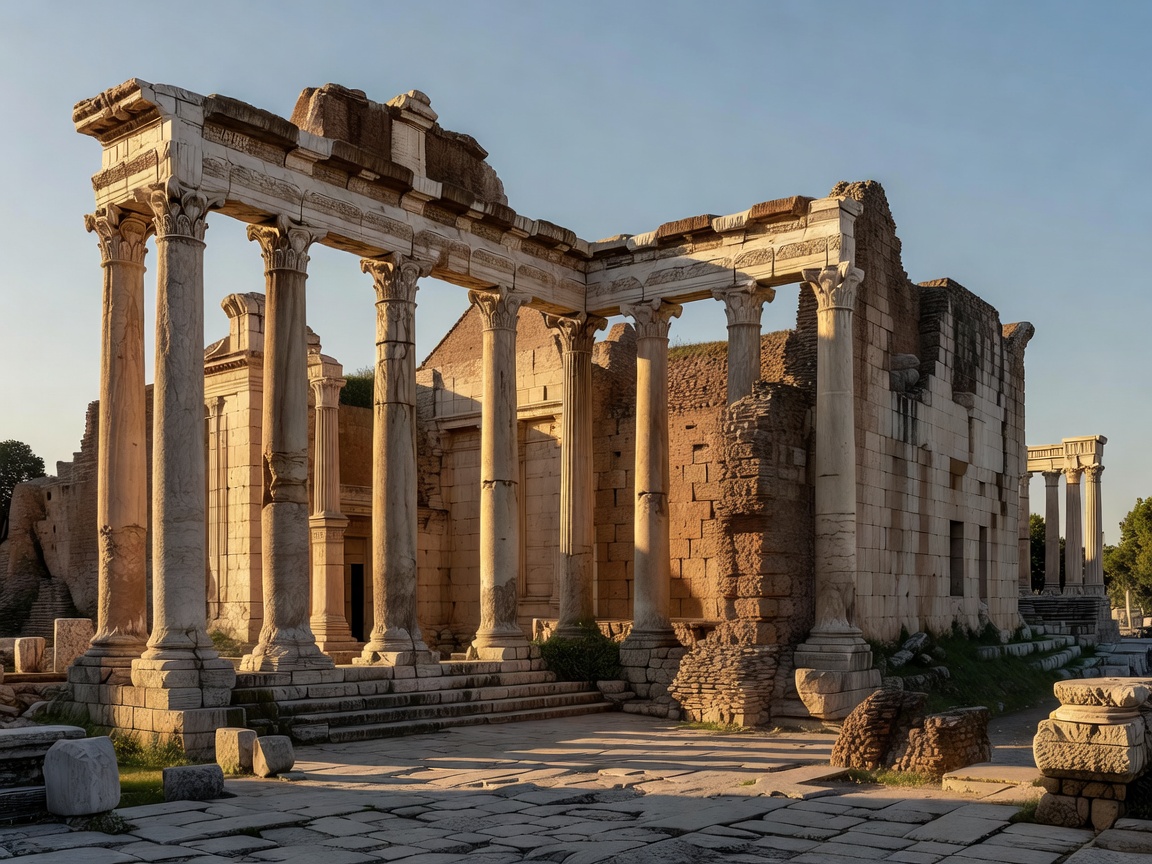
Concrete vaults, reused marble, triumphal imagery and the changing relationship between public buildings and political authority.
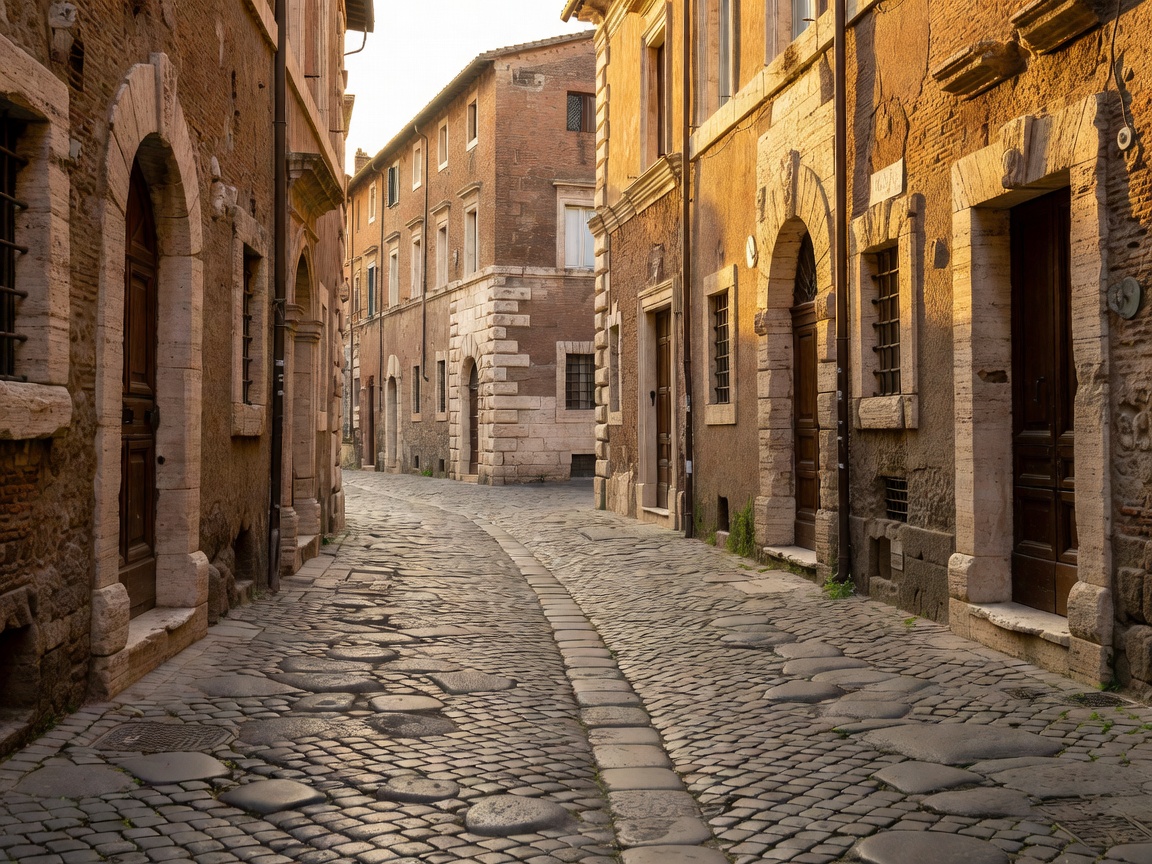
Early morning is cooler and calmer. In summer, reserve the first available entry and save shaded museums or a long lunch for midday.
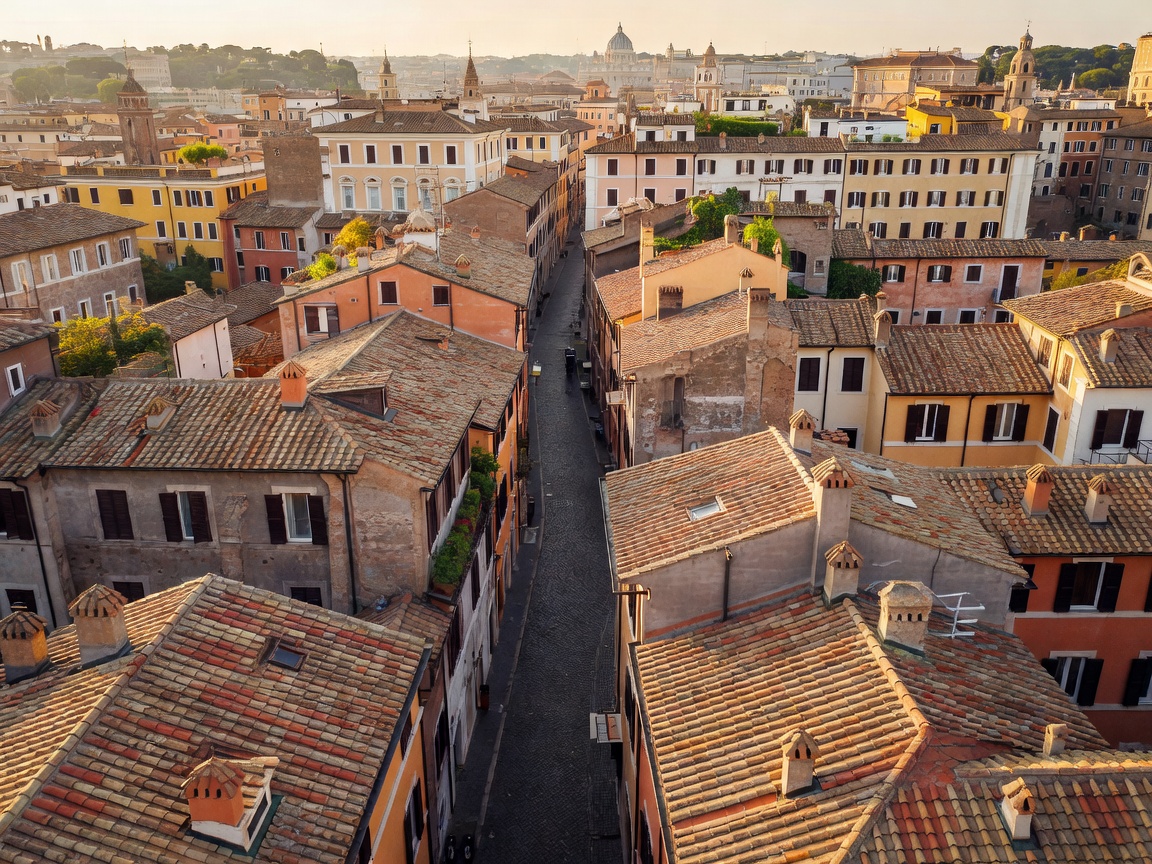
Leave through Monti for a slower transition from archaeology to cafés, small shops and neighbourhood streets.
Explore Monti