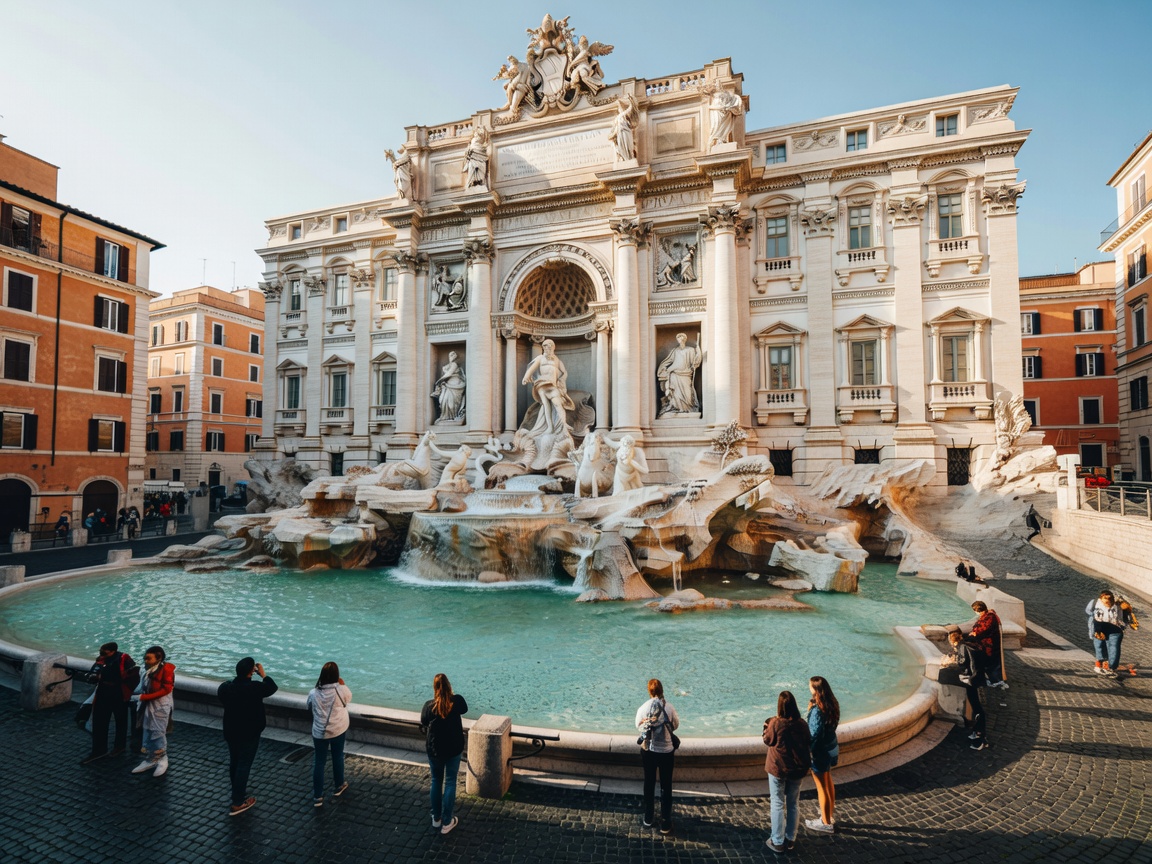
Morning
Espresso and cornetto
Stand at the bar, order a short coffee and watch the room change as the neighbourhood starts its day.
Roman food is direct, seasonal and generous. Learn what to order, when to eat and how to find the places locals return to.
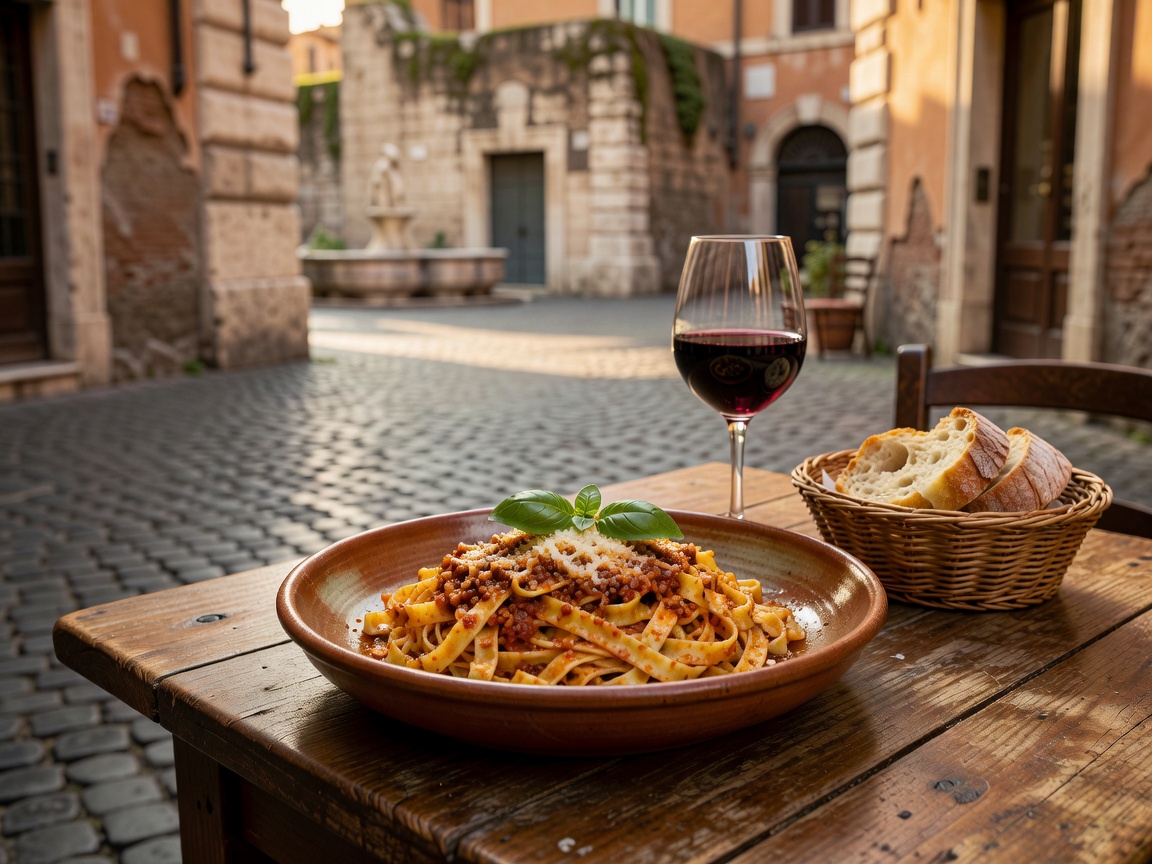
Cacio e pepe is pasta, pecorino and pepper. Carbonara adds egg and guanciale. Amatriciana brings tomato and chilli, while gricia keeps the guanciale and pecorino, leaving out the tomato.
Order one at a time rather than trying to sample everything in one meal. The best Roman evenings have room for a second stop.
Follow the city from a standing espresso to a long dinner, with the market and aperitivo in between.
Stand at the bar, order a short coffee and watch the room change as the neighbourhood starts its day.
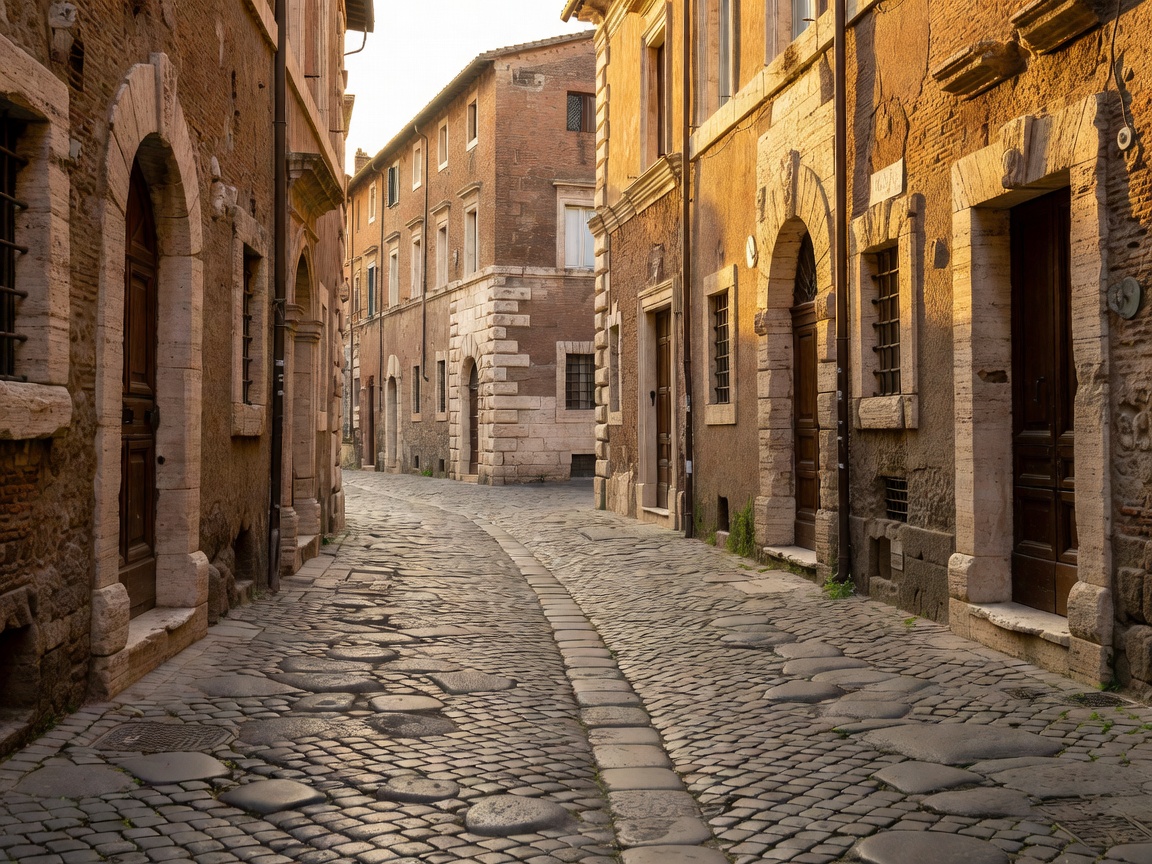
Visit Testaccio or Campo de' Fiori for produce, cheese, bread and a quick bite before the afternoon heat.
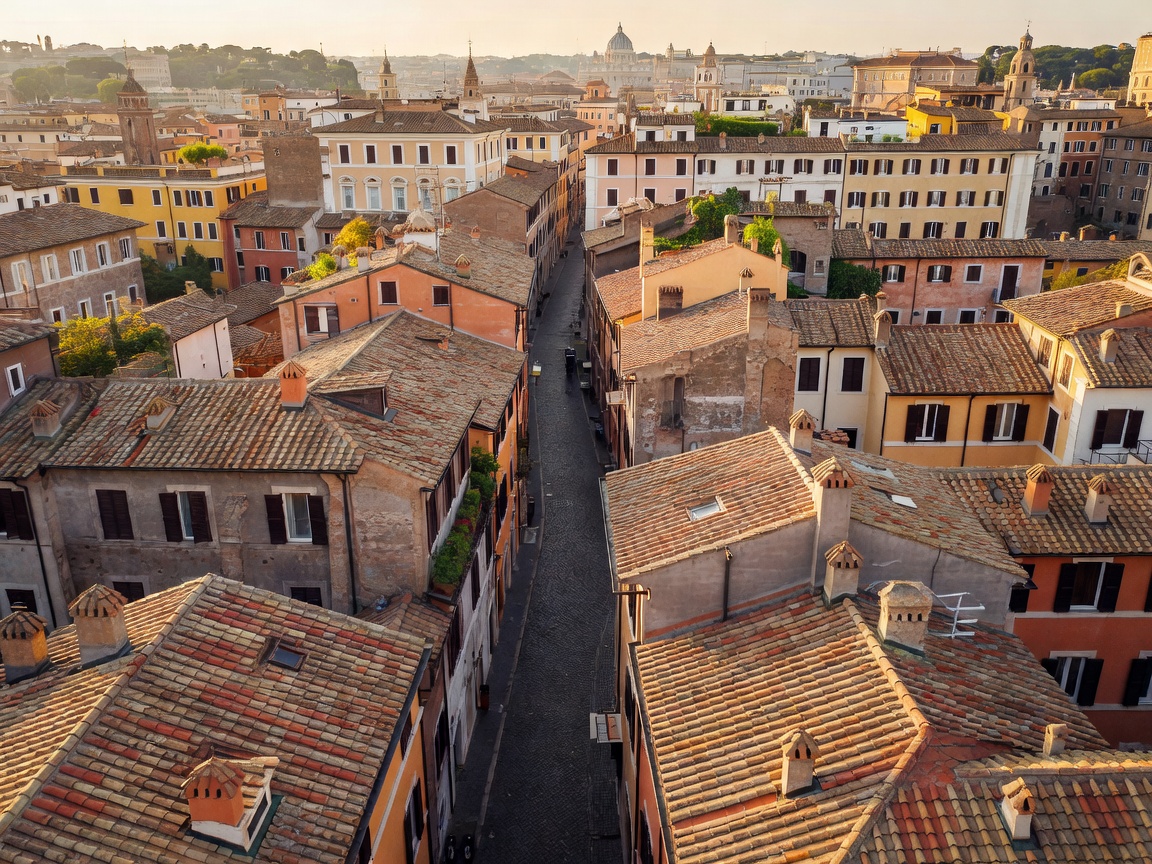
Take a small drink early, then reserve a table for a proper meal. Romans tend to eat dinner later than many visitors.
Check whether service and coperto are included, ask before substituting ingredients and do not rush the meal. Water, bread and coffee may appear separately on the bill.
For popular restaurants, reserve ahead. For a casual trattoria, arrive early and look for a short menu that follows the season.
Testaccio: traditional Roman cooking.
Trastevere: lively evenings and plenty of choice.
Monti: wine bars and contemporary takes.
Prati: markets and neighbourhood restaurants.