Plans with breathing room

Three ways to spend Rome.

Choose a framework, then leave space for the unplanned church, market stall or second espresso that becomes the day’s best memory.

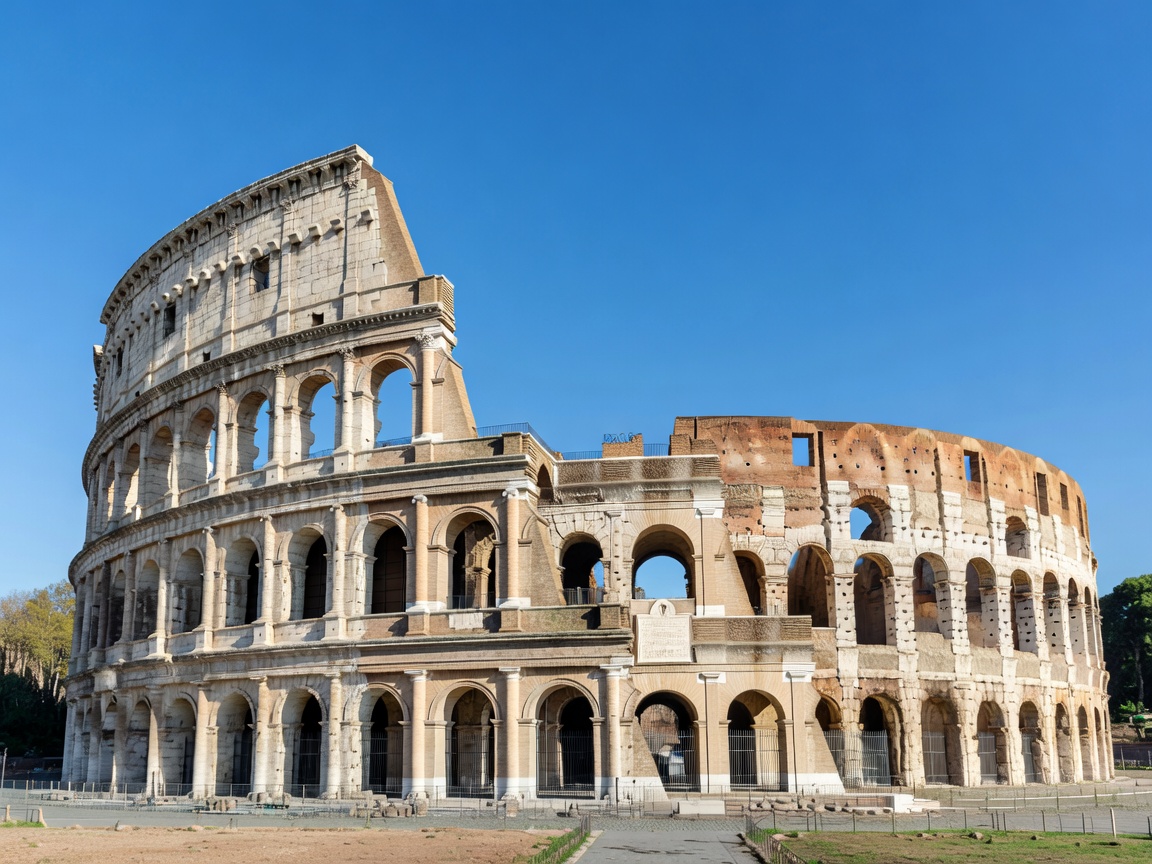
Colosseum and ancient Roman ruins in warm daylight
Three days

The first impression

Day 1: Centro Storico, Pantheon, Trevi Fountain and Piazza Navona.
Day 2: Colosseum, Forum, Palatine Hill and Monti.
Day 3: Vatican City, Prati lunch and a sunset walk.
St Peter's Basilica dome seen above Roman rooftops
Five days

More than the highlights

Use the three-day route, then add Villa Borghese and the Borghese Gallery, a Trastevere evening, and a slower food day in Testaccio.

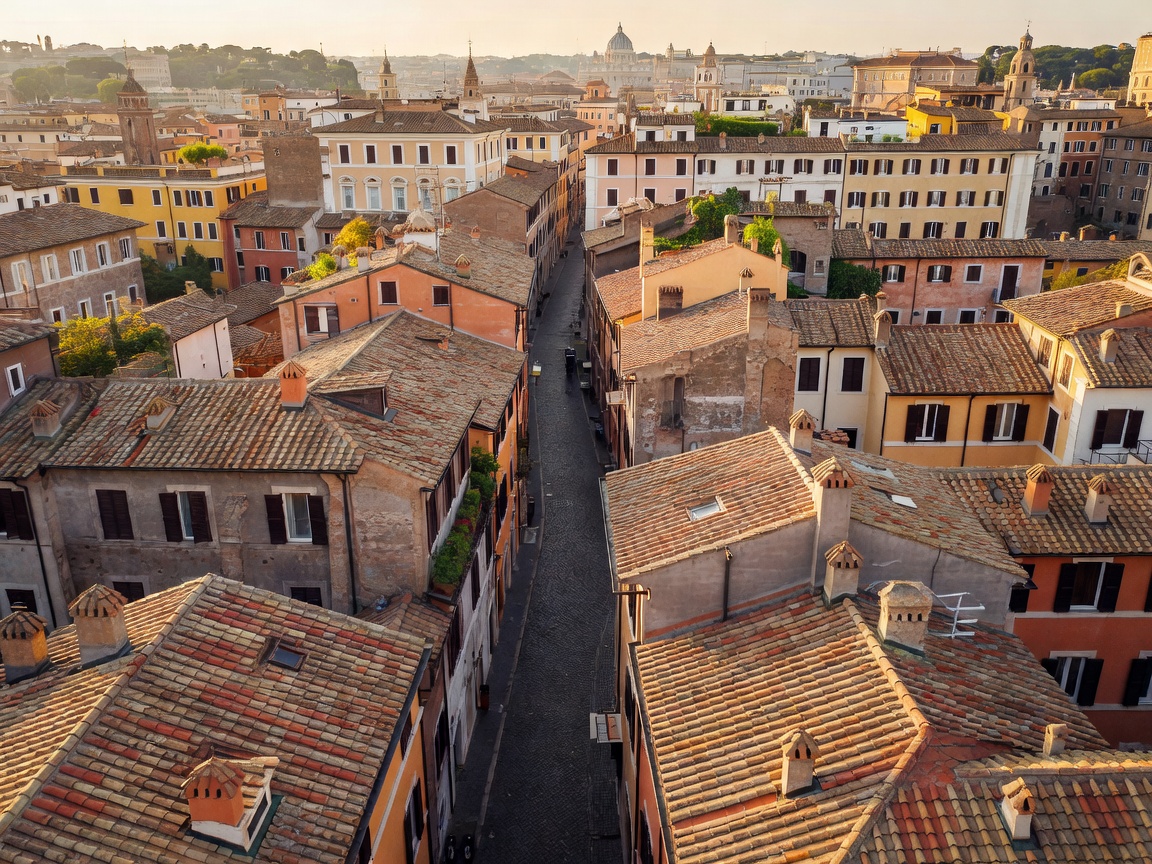
Historic Roman neighbourhood with narrow streets and rooftops
Seven days

Settle into the city

Add Ostia Antica or Tivoli, a market morning, Appian Way cycling or walking, and one completely unscheduled day.

The daily formula.

One major sight, one neighbourhood and one generous pause. This keeps the route memorable instead of merely efficient.

Morning

Book the anchor

Place your timed entry or museum visit first, when energy and temperatures are usually on your side.

Afternoon

Change the scale

Move from monumental Rome to a market, small church, garden or café. The contrast helps the city breathe.

Evening

Stay local

Eat near your base rather than crossing the entire city for dinner. Rome is especially beautiful when you walk home.

Plan around energy.

Put the Colosseum and Vatican on separate days. They are both rewarding but physically demanding. Keep the day after arrival light, especially if you have crossed time zones.

Make room for weather.

Use churches, galleries and food markets during heat or rain. Save viewpoints, piazzas and long walks for the softer light of morning or evening.

Read practical tips